Frequently Asked Questions
(480) 685-0991
Mesa, AZ
85212
arturogopa5@gmail.com
- Mon - Fri
- -
- Saturday
- -
- Sunday
- Closed
FAQs
How long do concrete pavers last in Arizona?
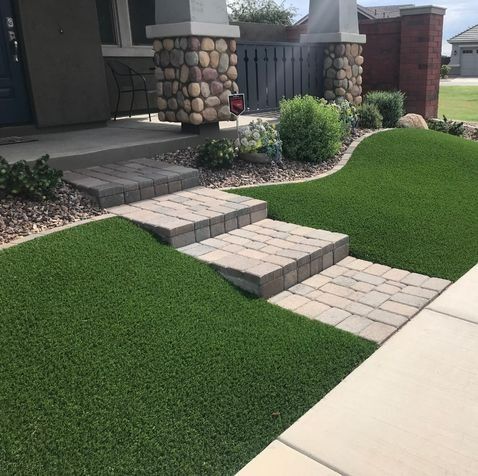
Concrete pavers typically last 25-30 years in Arizona's desert climate when properly installed. Quality pavers resist cracking from heat expansion and provide excellent durability for patios and driveways.What's the best paver material for Arizona heat?
Heat-resistant concrete pavers are ideal for Arizona installations. They withstand extreme temperature fluctuations, resist UV damage, and maintain their color better than natural stone in desert conditions.Does artificial turf get too hot in Mesa summers?
Modern synthetic turf stays cooler than earlier versions thanks to advanced blade technology and infill materials. While it warms in direct sun, quality turf cools quickly in shade.How much water does artificial turf save yearly?
Artificial turf eliminates 100% of lawn watering needs, saving Arizona homeowners 15,000-25,000 gallons annually. This significantly reduces water bills and supports desert conservation efforts.When should I repair my sprinkler system?
Repair sprinklers immediately when you notice low water pressure, uneven coverage, or pooling water. Early repairs prevent water waste and protect your landscape investment from drought stress.Can pavers crack in Arizona's caliche soil?
Proper base preparation prevents paver cracking in caliche soil. Professional installation includes soil compaction and drainage solutions that ensure pavers remain stable through Arizona's soil challenges.How often should artificial turf be cleaned?
Rinse artificial turf monthly and brush it quarterly to maintain appearance. Remove debris weekly and rinse pet areas immediately to prevent odors and keep turf looking fresh.What irrigation repairs are most common in Arizona?
Clogged sprinkler heads and damaged pipes from soil shifting are most common. Arizona's hard water and caliche soil create unique challenges that require professional repair expertise.Do concrete pavers need sealing in Arizona?
Sealing concrete pavers every 3-5 years protects against UV damage and staining in Arizona's intense sun. Sealed pavers maintain their color and resist desert dust penetration.How long does sprinkler installation take?
Most residential irrigation installations take 1-3 days depending on yard size and system complexity. Professional installation includes design, trenching, component placement, and system testing for optimal performance.
Tell Us About Your Hardscaping Needs
Concrete Paver Installation
Synthetic/Artificial Turf Installation
Full Irrigation/Sprinklers Installation and Repairs
Outdoor Lighting Installation
Fire Pit Installation
Travertine Pavers Installation